Heritage
Noble Family Hirzel of Zürich, Switzerland.
"In these challenging times, it is God's will that our confederation stands united, to forge a unique union that is truly our own. We embrace our homeland with all the blessings it offers, capable of sustaining and saving us without reliance on foreign aid."
— Salomon Hirzel, 1580–1652, Mayor of Zurich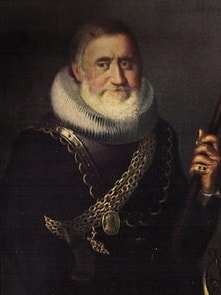
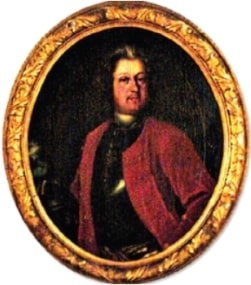
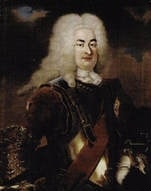
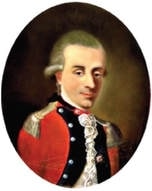
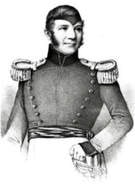
The heraldic arms of the Hirzel family evolved across centuries, reflecting the distinction between the noble city family and the rural land community that bore the same name.
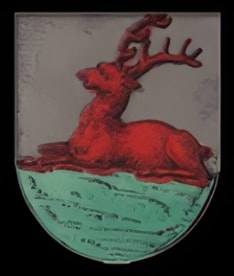
The original arms of the City Hirzel family, featuring a red stag couchant on a green base — an emblem of nobility and civic standing in Zurich during the early Renaissance period.
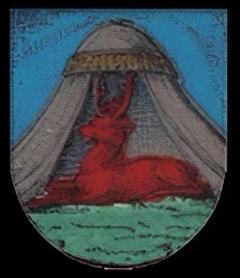
The evolved arms of the City Hirzel family, retained from the 16th century to the present day. The red stag beneath a tent or canopy on a green field became the enduring symbol of the family's civic identity in Zurich.
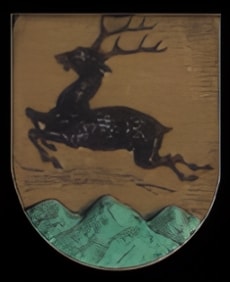
The arms of the Land Hirzel community, originating in the early 14th century. A black stag rampant leaping over three green mountain peaks — representing the rural highland community of Hirzel in the canton of Zurich, distinct from the noble city family.
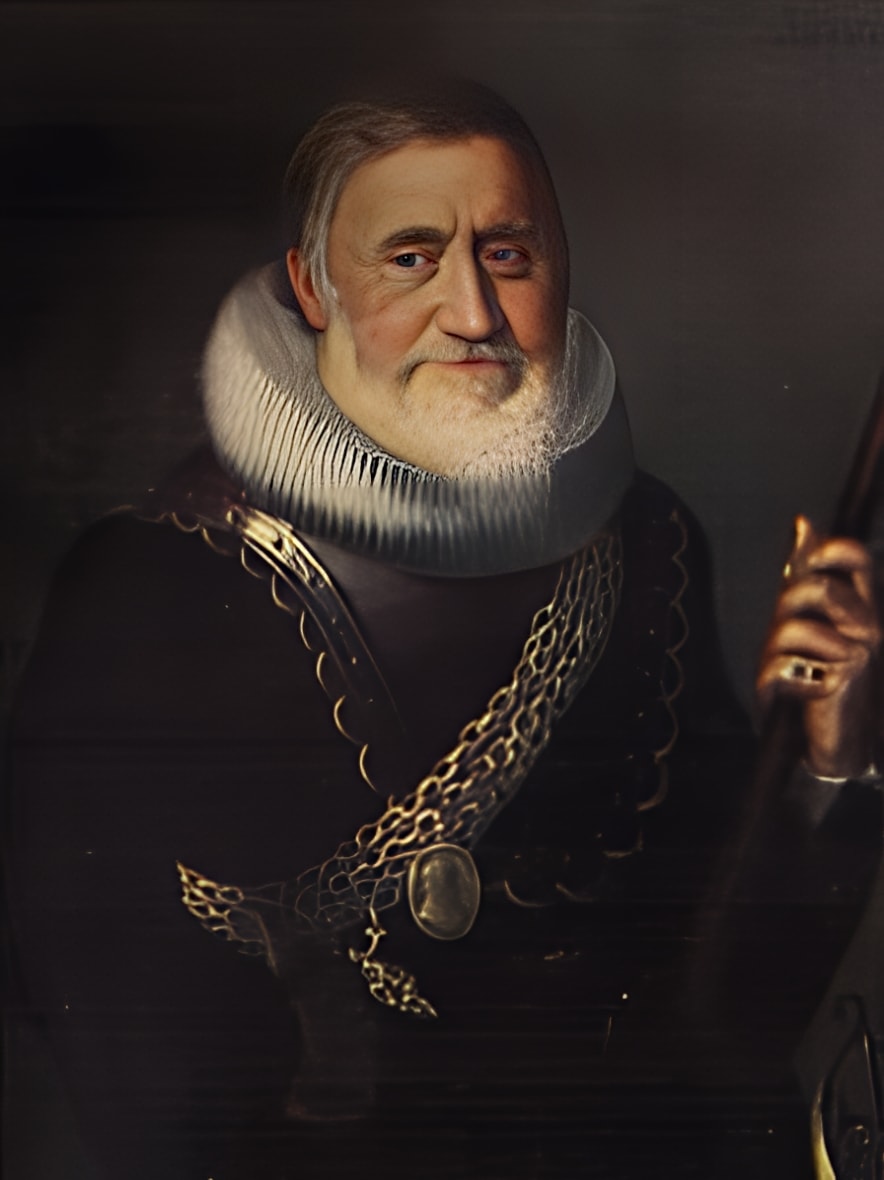
Salomon Hirzel — Mayor of Zurich (1637–1652)
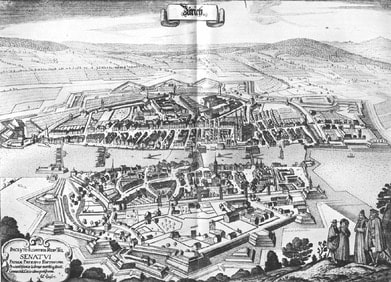
Under Salomon Hirzel, Zurich navigated one of the most volatile periods in European history. He combined economic acumen, administrative reform, diplomatic finesse, and robust defense planning, laying foundations that helped safeguard Zurich from conflict and insolvency. His leadership emphasises prudence, neutrality, and civic responsibility — a model of steady governance in turbulent times.
Salomon Hirzel (1580–1652) stabilised Zurich's finances by paying off public debts with personal funds, initiating customs duties, and expanding the canton's treasury. He also mandated strict neutrality in foreign affairs and commissioned large-scale mapping and fortification works around the city.
The 1681 Diplomatic Mission
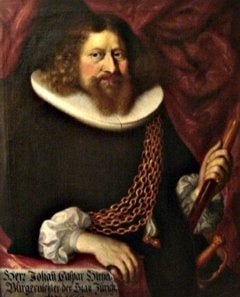
In 1681, Hans Caspar Hirzel (born 1617, died 1691), who served as Mayor of Zurich from 1669 to 1690, led a significant Swiss federal delegation. As head of a group comprising roughly 250 mounted representatives of the Reformed Swiss Cantons, he formally received King Louis XIV of France, who was visiting the border regions around Ensisheim near Mulhouse, then allied with the Swiss Confederation.
Hirzel, known for his diplomatic skill and perseverance, was a key negotiator in earlier treaties, including the 1663 renewal of the military alliance (Soldallianz) between the Swiss Confederacy and France.
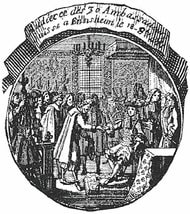
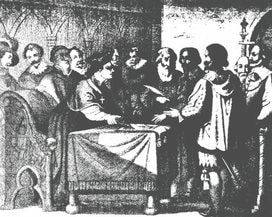
The Hirzel lineage significantly shaped Zürich's political sphere: from 1584 to 1798, family members occupied numerous council and administrative roles, including mayors, bailiffs, and advisors. Long before modern municipal systems, houses like Haus zur Haue and Haus zum Gwölb, acquired by Salomon Hirzel, became symbols of the family's influence in city life and governance.
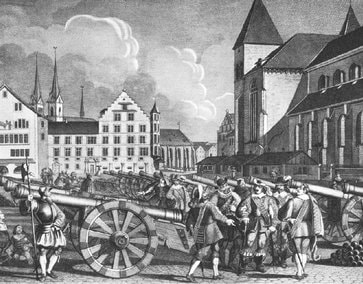
The Benfelder cannons, known in Zurich's history as the 'Benfelder Armatur,' were acquired in 1653 from Sweden (originally cast in Benfelden). Around 26 artillery pieces, including large 24-pound cannon, were brought to Zurich to bolster the city's defences. Representatives of the Hirzel family, who held influential civic and administrative positions in Zurich, were instrumental in facilitating this significant acquisition.
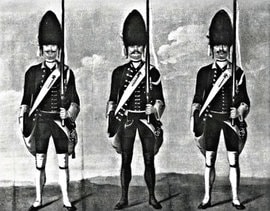
| Detail | Information |
|---|---|
| Regiment Name | Hirzel's Regiment (Swiss troops in Dutch service) |
| Leadership | Colonel Johann Caspar Hirzel; later Salomon Hirzel |
| Major Battles | Malplaquet (1709), Scottish campaign of 1745 |
| Role | Elite grenadier units trained for assault and close combat |
| Recruitment | Primarily from Zurich and eastern Swiss cantons |
During Salomon Hirzel's mayoralty (1637–1652), fortifications were strengthened in response to the instability of the Thirty Years' War. Defensive structures were modernised and artillery (including the Benfelder cannons) was purchased to upgrade city firepower, ensuring Zurich's security during one of Europe's most turbulent centuries.