


Coat of Arms of the "Land-Hirzel" since the early 14th century |

Coat of Arms of the "City Hirzel" in the early 16th century |

Coat of Arms of the "City-Hirzel" since the 16th century up to this day |
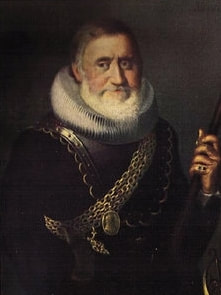
Salomon Hirzel 1580-1652 Mayor of Zurich |

Hans-Caspar Hirzel 1617-1691 Mayor of Zurich |
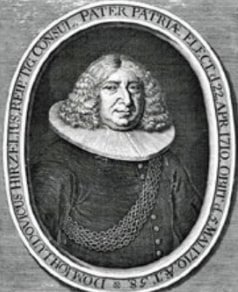
Ludwig Hirzel 1652-1710 Mayor of Zurich |
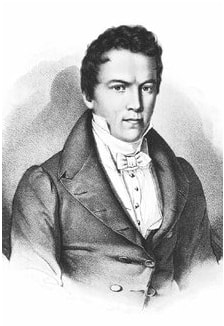
Conrad Melchior Hirzel 1793-1843 Mayor of Zurich |

Heinrich Hirzel 1662-1742 Mayor of Zurich |
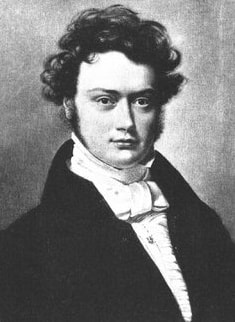
Bernhard Hirzel 1807-1847 Counterparty of Mayor Conrad Melchior Hirzel |

Salomon Hirzel 1790-1844 Lieutenant-Colonel and Armory Director |
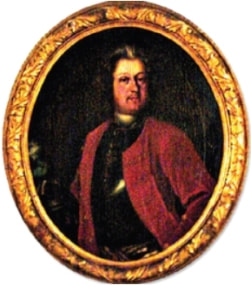
Hans Caspar Hirzel 1669-1708 Commander Brussels |
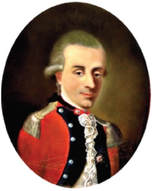
Salomon Hirzel 1739-1801 Commander France and Russia |
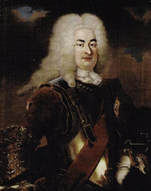
Salomon Hirzel 1672-1755 General Netherlands |
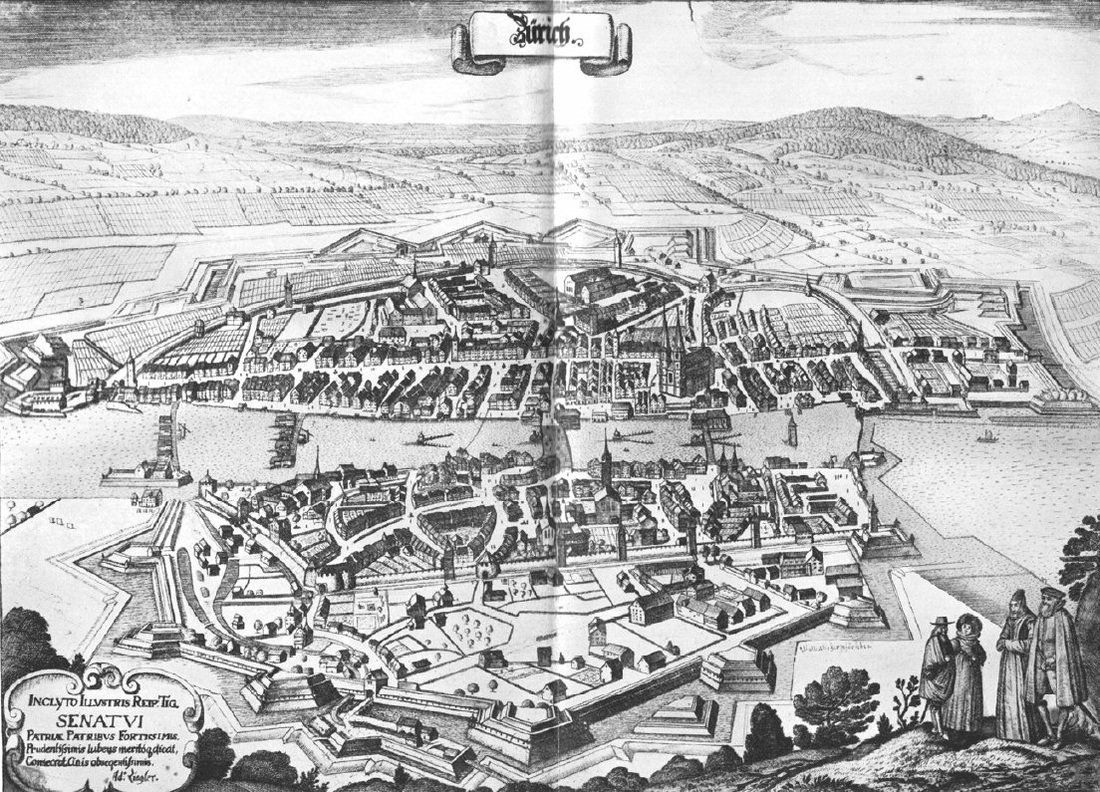
Under the control of Family Hirzel The fortified city of Zurich 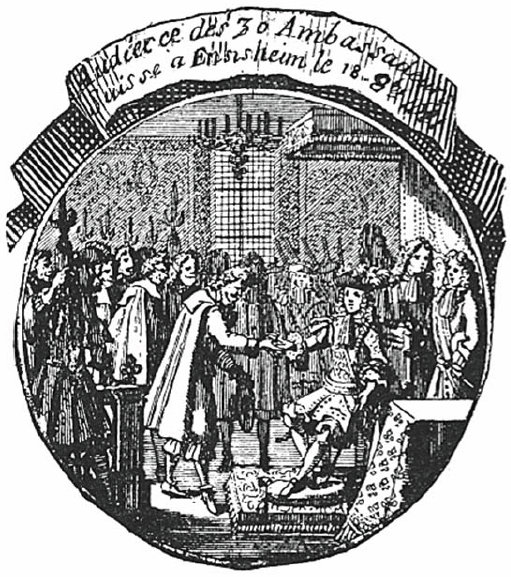
Mayor Hans Caspar Hirzel welcomed in 1681 at the top of a large Swiss Federal legation, the King of France, Louis XIV 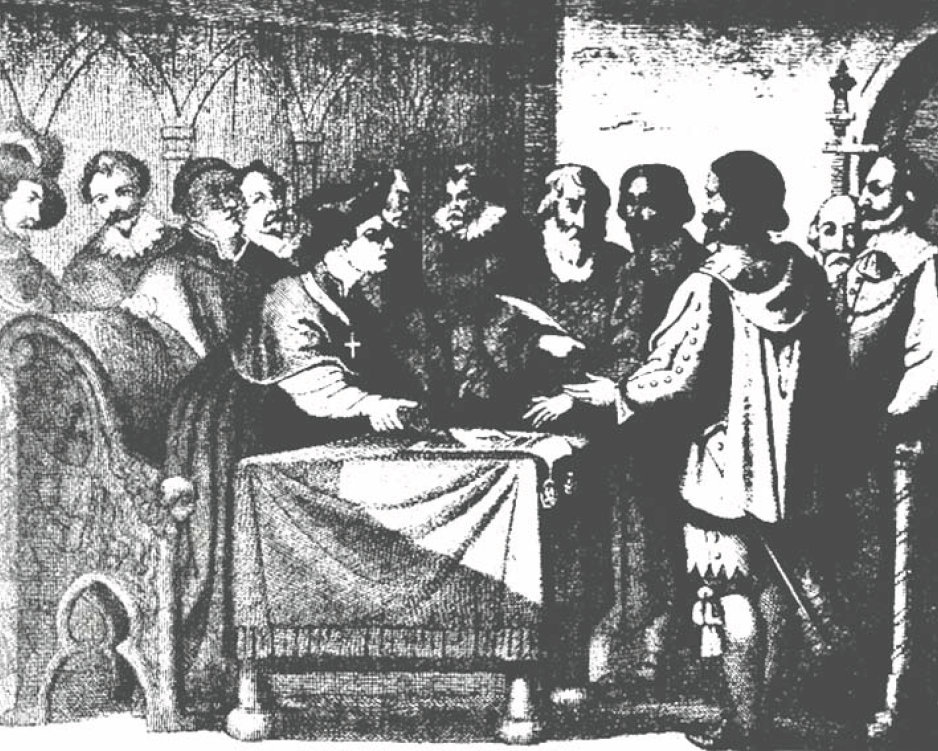
The Peace of Pignerolo to secure the freedom of religion of the Waldenses |

The acquired "Benfelder" cannons by Mayor Hirzel for Zurich 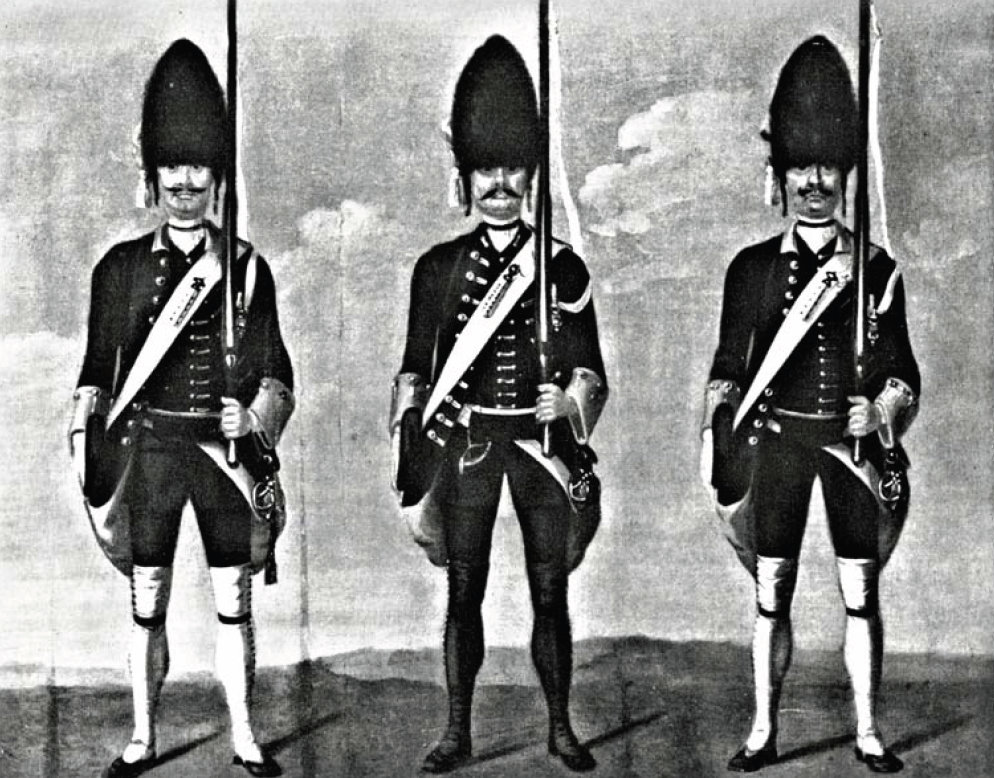
Grenadiers of Infantry Regiment "Hirzel" 1747 In the collection of paintings of the Queen of England 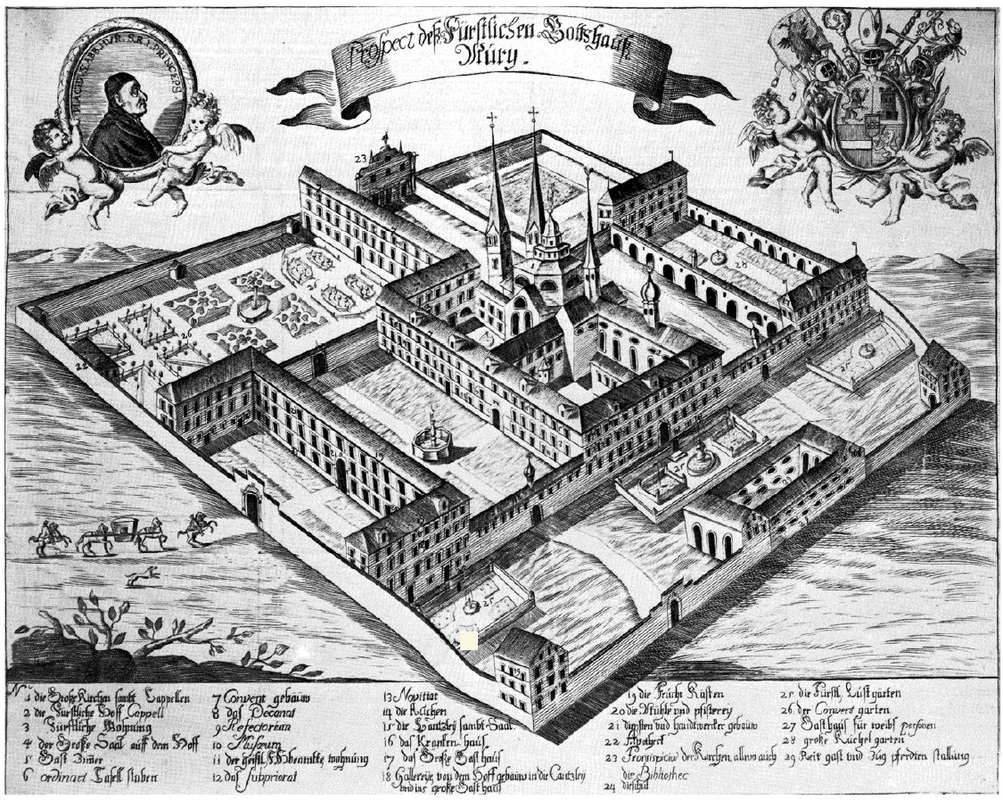
Overview of the Hirzel Castle in Zurich |
Copyright @ 2015 to 2024 Hirzel Ventures | All Rights Reserved | Disclaimer

By continuing to browse, use or access this Site, you accept all the conditions enumerated herein, out of your free will and consent. All content, information trademarks, logos, copyrights and other intellectual property displayed on the Site is owned by Hirzel Ventures or the respective owners thereof. Hirzel Ventures grants you a nonexclusive right to view, store, bookmark, download, copy and print pages from the Site solely for personal and noncommercial use. Hirzel Ventures does not grant any express or implied right to you under any patents, trademarks, copyrights or trade secret information. You agree to comply with all copyright laws worldwide in your use of the Site and to prevent any unauthorized copying of the materials on the Site. The information contained on the Site does not constitute investment, legal, tax or accounting advice. Past performance is not indicative of future results and nothing contained on the Site should be deemed a prediction or projection of future outcomes. Please refer to the full Disclaimer above.